Understanding Stress and Anxiety
Stress and anxiety, though frequently mentioned together, are distinct concepts with different triggers and characteristics. Stress is typically a response to an external situation or challenge. This reaction can manifest as a short-term event, like an impending deadline, or a long-term condition, such as dealing with chronic illness. Common symptoms of stress include headaches, muscle tension, fatigue, irritability, and sleep disturbances. These symptoms can affect a person’s everyday functioning, impeding their ability to perform tasks efficiently.
In contrast, anxiety is often a more sustained condition that doesn’t always have a clear or immediate cause. It is characterized by a persistent feeling of apprehension or dread, long after the stressful event has passed or even in the absence of any identifiable stressor. Anxiety can manifest through symptoms such as restlessness, rapid heart rate, excessive worrying, and difficulty concentrating. When anxiety becomes overwhelming, it can lead to anxiety disorders, such as generalized anxiety disorder, panic disorder, and social anxiety disorder.
While stress and anxiety trigger distinct responses in the body, they share commonalities in how they can impact one’s physical and mental health. Both can lead to severe health issues if left unmanaged, including cardiovascular diseases, high blood pressure, and mental health disorders, such as depression. Stress and anxiety may also result in unhealthy coping mechanisms like substance abuse, overeating, or withdrawal from social activities, further exacerbating their detrimental effects.
Understanding the nuances between stress and anxiety, and their respective symptoms, is essential for recognizing their impact on health and well-being. This awareness enables individuals to seek appropriate interventions, whether through self-care strategies, professional help, or a combination of approaches, to improve their quality of life.
Identifying Common Triggers
Understanding the root causes of stress and anxiety is crucial for effectively managing these feelings. Various aspects of daily life can act as significant triggers, with each contributing uniquely to our overall sense of well-being.
Work pressure is a predominant trigger for stress and anxiety. High job demands, tight deadlines, and challenging projects can create an overwhelming environment. For instance, a professional might face mounting tasks without sufficient support, leading to prolonged stress. Similarly, management expectations and the constant need to perform can induce a sense of perpetual anxiety.
Financial problems are another frequent source of distress. The constant struggle to meet financial obligations, such as mortgages, loans, and everyday expenses, can become overwhelming. An unexpected financial emergency, such as a suddenly incurred medical bill, can exacerbate this stress. The ongoing worry about financial stability and future security can deeply impact mental health.
Personal relationships also contribute significantly to stress and anxiety levels. Interpersonal conflicts, whether with family, friends, or romantic partners, can create emotional turmoil. For example, unresolved disputes or miscommunications with a spouse can foster an environment of constant tension. Additionally, the absence of a supportive social network can make dealing with daily stresses even more challenging.
Health concerns, both physical and mental, are vital triggers of anxiety and stress. Living with chronic illnesses or facing a sudden health scare, such as a serious diagnosis, can lead to significant worry and stress. The potential for future health problems can also contribute to a persistent sense of unease.
Everyday situations can accumulate, compounding these individual triggers and amplifying their effects. By becoming aware of these common triggers, individuals can begin to develop strategies to manage and reduce stress and anxiety, contributing to a more balanced and fulfilling life.
Mindfulness and Meditation
Mindfulness and meditation are widely recognized as effective tools for reducing stress and anxiety. These practices enable individuals to cultivate a state of active, open attention to the present moment, promoting better mental well-being and resilience against everyday stressors.
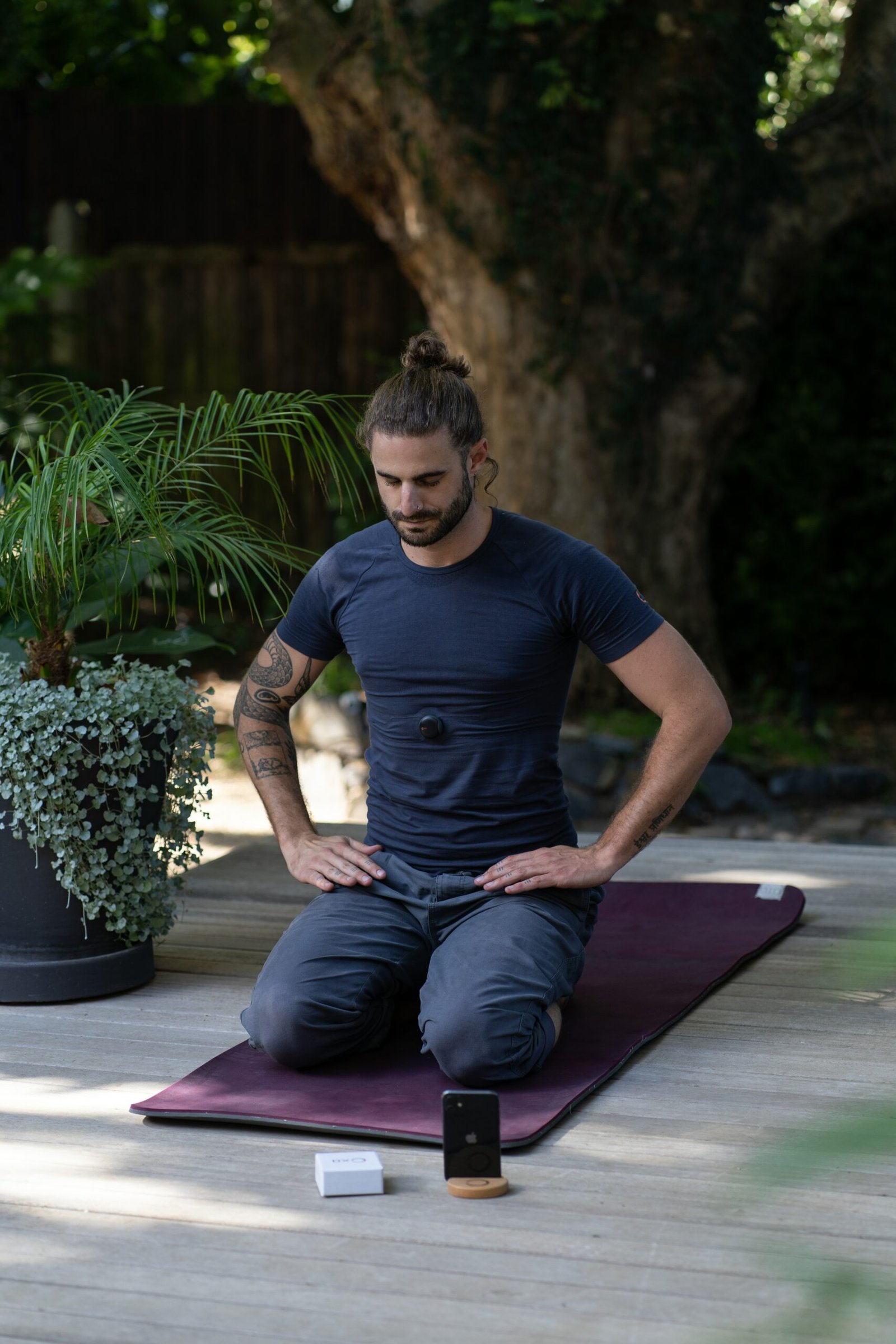
Practicing mindfulness involves paying attention to your thoughts, feelings, and sensations without judgment. It can be as simple as taking a few minutes daily to focus on your breathing or surroundings. Here are some step-by-step guidelines to begin:
Step-by-Step Guide to Mindfulness Meditation
1. Find a quiet space: Choose a calm, distraction-free environment where you can sit comfortably.
2. Set a time limit: Beginners might start with a short period, such as five to ten minutes. As you become comfortable, you can gradually increase the duration.
3. Focus on your breath: Pay close attention to the sensation of breathing. Notice how your chest and belly rise and fall with each inhalation and exhalation.
4. Observe your thoughts: When your mind starts to wander, gently bring your focus back to your breath. Acknowledge the thoughts without judgment and let them pass.
5. End with gratitude: Take a moment to reflect on the exercise and acknowledge your effort to nourish your mind.
Breathing Exercises
Breathing exercises are a core aspect of mindfulness and meditation, helping to anchor your attention and calm the nervous system. A simple exercise is the 4-7-8 technique:
- Inhale quietly through your nose for a count of four.
- Hold your breath for a count of seven.
- Exhale completely through your mouth for a count of eight.
Repeat this cycle three to four times to promote relaxation and alleviate stress.
Benefits of Routine Meditation
Integrating mindfulness meditation into your daily routine can yield numerous benefits. Regular practitioners often report reductions in stress and anxiety levels, improved emotional regulation, and enhanced ability to focus. Scientific studies support these claims, highlighting that consistent mindfulness practice can lead to structural brain changes, optimizing the areas responsible for emotional control and memory.
Real-Life Success Stories and Research
Research underscores the positive effects of mindfulness. For instance, a study published in the journal “Psychiatry Research” found that participants engaging in an eight-week mindfulness meditation program experienced significant reductions in the brain regions associated with stress. Additionally, real-life success stories abound, such as individuals overcoming chronic anxiety through mindfulness practices and companies observing decreased employee stress and improved productivity after introducing workplace mindfulness initiatives.
By dedicating time to mindfulness and meditation, one cultivates a more balanced and stress-resilient life, effectively paving the way for emotional and mental well-being.
Exercise and Physical Activity
Engaging in regular physical activity is a crucial component in managing and reducing stress and anxiety. Exercise is not solely about enhancing physical fitness but also serves as a robust mechanism for improving mental health. When one engages in physical activities like yoga, running, or even walking, the body undergoes significant biochemical changes that positively impact brain function.
Firstly, aerobic exercises such as running or swimming elevate the heart rate, triggering the release of endorphins, often referred to as the “feel-good” hormones. These endorphins act on the brain to reduce pain perception and induce feelings of euphoria. This biochemical shift counters the negative effects of stress by elevating mood and lowering anxiety levels.
Yoga, on the other hand, combines physical postures, breathing exercises, and meditation, making it a holistic approach to managing stress and anxiety. The synchronization of breath and movement cultivates mindfulness, promoting a state of mental clarity and relaxation. Simultaneously, the physical postures strengthen the body, enhancing flexibility and balance which, in turn, improves overall well-being.
One does not need to commit to intense workout routines to reap the benefits of physical activity. Simple activities like brisk walking can be remarkably effective. Walking increases blood circulation which enhances oxygen flow to the brain, fostering cognitive function while reducing cortisol levels, the primary stress hormone.
Beyond the biochemical benefits, regular physical activity provides a structured routine, creating a sense of normalcy and predictability in one’s daily life. This routine can be comforting, serving as a distraction from stressors and providing an opportunity for social interaction, whether in group classes or communal sports.
In summary, incorporating various forms of exercise and physical activities can significantly influence brain chemistry, leading to reduced stress and anxiety. By dedicating time to physical activity, one can establish both mental and physical resilience, fostering harmony and balance in daily life.
In the modern quest to live a life free from stress and anxiety, balanced nutrition plays a pivotal role. A well-rounded diet not only fuels the body but also has profound effects on mental health. Introducing specific nutrients into daily meals can significantly improve mood and act as a buffer against stress.
Essential Nutrients for Reducing Stress
Omega-3 fatty acids, found in abundance in fatty fish such as salmon and mackerel, have been shown to have a positive impact on brain function. These healthy fats can reduce inflammation and potentially alleviate symptoms of depression and anxiety. Flaxseeds, chia seeds, and walnuts also provide excellent plant-based sources of omega-3s.
Magnesium, another crucial nutrient, is highly effective in combating stress. Leafy greens like spinach and kale, nuts, seeds, and whole grains are rich in magnesium. Incorporating these foods into your diet can help to regulate neurotransmitters that regulate mood and anxiety levels.
Antioxidants play a significant role in managing oxidative stress, which can exacerbate anxiety and depression. Foods high in antioxidants, such as blueberries, strawberries, and dark chocolate, help to neutralize free radicals in the body, promoting overall mental well-being.
The Gut-Brain Connection
The relationship between gut health and mental health is increasingly recognized. The gut microbiome, which consists of beneficial bacteria, is crucial for the production of neurotransmitters like serotonin, often referred to as the happy chemical. Fermented foods such as yogurt, kefir, sauerkraut, and kombucha are excellent for promoting a healthy gut.
Meal planning can be simplified by focusing on nutrient-rich foods. Planning meals around these core nutrients and incorporating a variety of fruits, vegetables, proteins, and whole grains can provide the body with the necessary elements to combat stress.
Recipes such as a salmon and spinach salad with a walnuts topping or a smoothie packed with berries, flaxseeds, and spinach can be both delicious and nutrition-dense. Such balanced meals are not only beneficial for physical health but also support mental resilience, creating a robust defense against stress and anxiety.
Building Strong Support Systems
One of the pivotal elements in living a life free from stress and anxiety is the establishment of strong personal and professional support systems. These networks provide an essential foundation that can help you navigate challenging periods and maintain emotional stability. Open communication is a cornerstone of these support systems, as it allows for the honest exchange of thoughts and feelings, thereby reducing feelings of isolation and misunderstandings. Actively engaging with friends and family, expressing your concerns, and allowing them to share theirs fosters a supportive environment where mutual trust and understanding flourish.
Seeking support from friends and family is often your first line of defense against stress and anxiety. These individuals know you well and are typically invested in your well-being, making them ideal sounding boards for your fears and concerns. Regularly scheduled get-togethers or even virtual hangouts can serve as an excellent means of maintaining these connections, promoting an atmosphere of constant support. Equally important is the need to reciprocate; offering a listening ear, and being there for your loved ones, is fundamental to a balanced support system.
Additionally, the benefits of professional counseling or support groups cannot be understated. Professional counselors or therapists are trained to help you identify and manage the root causes of your stress and anxiety effectively. They provide a neutral, non-judgmental space where you can explore your emotions and develop coping strategies. Support groups offer an avenue to connect with others who are experiencing similar challenges, thus providing communal reassurance and shared learning experiences. Whether through individual therapy sessions or group interactions, professional support can significantly enhance your emotional resilience.
To build and maintain these support systems, consistency is key. Regular communication, scheduled gatherings, and predictable interactions are vital. Make use of modern technology such as social media, video calls, and messaging apps to stay in touch with your network. Also, consider joining local clubs or community groups that align with your interests to broaden your support network. In essence, building strong support systems involves a proactive effort in both personal and professional domains, creating a web of connections that fosters emotional health and combats stress and anxiety effectively.
Time Management Techniques
Effective time management is crucial for reducing stress and leading a more fulfilling life. One of the primary strategies is prioritizing tasks. By identifying which tasks are most urgent or important, individuals can focus their energy on what truly matters. This, in turn, minimizes the feeling of overwhelm and enhances productivity.
Setting realistic goals is another essential technique. Unrealistic expectations can lead to stress when they are not met. Breaking down large projects into smaller, manageable tasks with achievable deadlines can provide a sense of accomplishment and keep anxiety at bay.
Taking regular breaks is a critical component of time management. Continuous work without rest can lead to burnout and decreased efficiency. Incorporating short breaks into your schedule can help rejuvenate the mind and improve overall performance. Techniques such as the Pomodoro Technique, which involves working for a set period then resting briefly, can be highly effective.
Procrastination is a common challenge that can exacerbate stress. Developing methods to avoid procrastination, such as the two-minute rule—if a task takes less than two minutes, do it immediately—can help maintain momentum and prevent the buildup of tasks. Additionally, creating a distraction-free work environment and utilizing techniques like time blocking can aid in staying focused.
Maintaining a work-life balance is paramount for mental well-being. Allocating time for personal activities, hobbies, and relaxation is as important as professional responsibilities. Ensuring that work does not encroach on personal time helps in recharging and reduces stress levels.
To aid in time management, several tools and apps are available. Applications such as Trello, Asana, and Todoist can help in organizing tasks and tracking progress. Calendar apps like Google Calendar can assist in scheduling and reminders, making time management more efficient.
Implementing these time management techniques can significantly reduce stress and enable you to lead a more balanced and productive life.
Developing Personal Coping Strategies
Living your life fully without stress and anxiety requires the development of personal coping strategies that are tailored to meet individual needs. These strategies can take various forms and can significantly contribute to your overall well-being. While some may find solace in journaling, where thoughts and feelings are meticulously documented, others might find creative hobbies such as painting, knitting, or even gardening to be wonderful outlets for releasing stress. Engaging in activities that bring joy and peace can act as powerful buffers against the chaos that often accompanies daily life.
Listening to music is also a simple yet profoundly effective tool. Whether it is the soothing sounds of classical compositions, the invigorating beats of contemporary music, or even ambient nature sounds, music has the power to transform our emotional state and reduce anxiety levels. Therapy, whether individual or group-based, offers structured support and professional guidance, helping individuals to uncover the root causes of their stress and develop meaningful strategies to address them.
Importantly, the effectiveness of any coping strategy lies in its relevance to the individual. What works for one person may not work for another, and thus, it is essential to engage in a process of trial and error to identify the most suitable approaches. This journey of discovery requires self-compassion and patience; recognizing that it is perfectly okay to not have all the answers right away can alleviate additional stress.
By encouraging a mindset that is open to exploration and supportive of trying new methods, you empower yourself to find unique ways to manage stress and anxiety. This personalized approach emphasizes the importance of understanding your own needs and preferences. Remember, living a life free of undue stress and anxiety is a continuous endeavor. Be kind to yourself as you navigate through different coping mechanisms, and celebrate the strategies that contribute to your well-being.

 Audible Audiobook – Unabridged