Eating Healthy Food for Best Living
Introduction to Eating Healthy
Eating healthy is not just a trend; it’s a lifestyle choice that can significantly impact your overall well-being. In a world filled with processed foods and fast-paced living, making conscious decisions about what you eat is crucial for maintaining good health.
Importance of Eating Healthy Food
The food we consume provides the building blocks for our bodies to function optimally. When we prioritize nutritious foods, we fuel our bodies with essential vitamins, minerals, and antioxidants necessary for proper functioning.
Nutrients Your Body Needs
Macronutrients: These include carbohydrates, proteins, and fats, which are needed in large quantities to provide energy and support bodily functions.
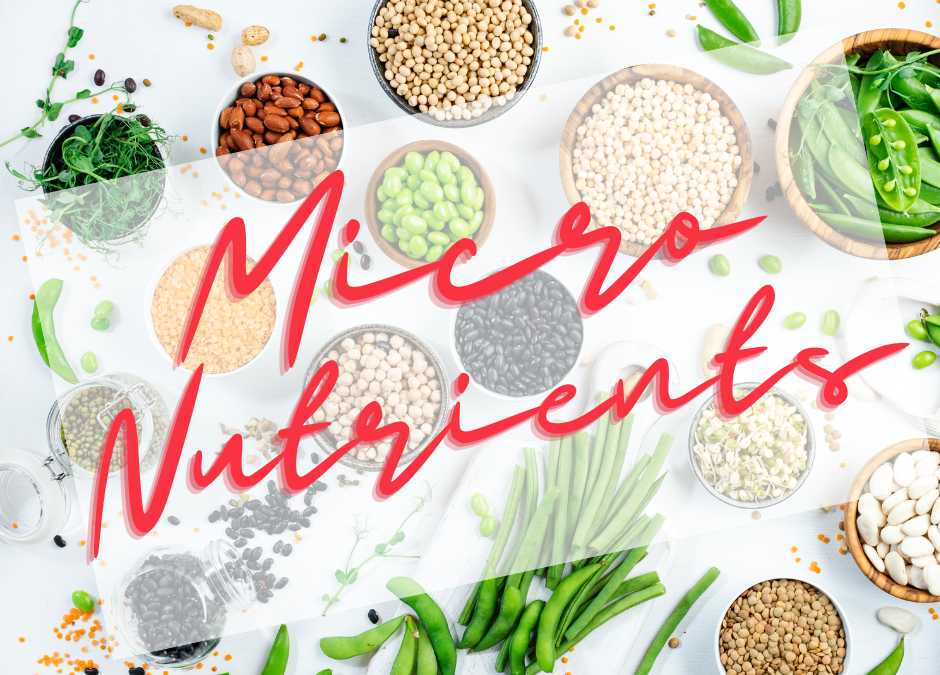
Micronutrients: These include vitamins and minerals, which are required in smaller amounts but play critical roles in various physiological processes.
Benefits of Eating Healthy Food
Physical Health Benefits: Eating a balanced diet rich in fruits, vegetables, whole grains, and lean proteins can lower the risk of chronic diseases such as heart disease, diabetes, and certain cancers.
Mental Health Benefits: Research shows that a healthy diet can positively impact mood and cognitive function, reducing the risk of depression and anxiety.
Longevity and Quality of Life: Adopting a nutritious diet can prolong lifespan and enhance overall quality of life by reducing the likelihood of age-related illnesses and promoting vitality.
Tips for Incorporating Healthy Foods into Your Diet
Meal Planning: Plan your meals ahead of time to ensure you have nutritious options readily available and reduce the temptation to resort to unhealthy fast food choices.
Grocery Shopping: Make a grocery list focused on whole foods and fresh produce, and avoid impulse purchases of processed snacks and sugary beverages.
Cooking Methods: Opt for healthier cooking methods such as baking, grilling, steaming, or sautéing instead of frying to preserve nutrients and minimize added fats.
Healthy Food Choices for Different Meal Times
Breakfast: Start your day with a balanced breakfast comprising of whole grains, proteins, and healthy fats to kickstart your metabolism and sustain energy levels.
Lunch and Dinner: Include a variety of vegetables, lean proteins, and whole grains in your main meals to ensure you’re getting a diverse range of nutrients.
Snacks: Choose nutrient-dense snacks such as nuts, seeds, fruits, or yogurt to satisfy hunger between meals without resorting to empty calories.
The Role of Hydration in a Healthy Diet
Staying hydrated is essential for overall health and well-being. Aim to drink plenty of water throughout the day and limit consumption of sugary beverages and caffeinated drinks.
Common Misconceptions about Healthy Eating
It’s important to dispel myths surrounding healthy eating, such as the notion that all fats are bad or that carbohydrates should be completely avoided. Instead, focus on balance and moderation.
Overcoming Challenges to Eating Healthy
Address common obstacles like lack of time, tight budgets, or aversion to certain healthy foods by finding creative solutions and gradually making small changes to your eating habits.
The Impact of Healthy Eating on Weight Management
Eating a nutritious diet can support weight management goals by promoting satiety, regulating appetite, and providing essential nutrients without excessive calories.
Healthy Eating for Different Dietary Needs
Adapt your diet to accommodate specific dietary preferences or restrictions, whether you follow a vegetarian, vegan, gluten-free, or allergen-free diet.
Incorporating Variety into Your Diet
Experiment with different foods and cuisines to keep your meals interesting and ensure you’re obtaining a wide range of nutrients from diverse sources.
Understanding Food Labels
Learn to decipher food labels to make informed choices about the nutritional content of packaged foods and avoid hidden sugars, unhealthy fats, and artificial additives.
Sustainable Eating Practices
Consider the environmental impact of your food choices and opt for sustainably sourced, locally produced foods whenever possible to support both personal and planetary health.
Conclusion: Embracing a Healthier Lifestyle
By prioritizing healthy eating habits, you can nourish your body, mind, and soul, leading to improved overall well-being and vitality. Start making small changes today to reap the long-term benefits of a balanced and nutritious diet.
FAQs
- Is it necessary to follow a strict diet to eat healthy? No, healthy eating is about balance and moderation rather than strict rules or deprivation. Focus on incorporating a variety of nutrient-dense foods into your diet while allowing for occasional indulgences.
- Can I still enjoy my favorite foods while eating healthy? Absolutely! Healthy eating doesn’t mean giving up your favorite foods entirely. It’s all about moderation and finding healthier alternatives or making small tweaks to recipes to boost their nutritional value.
- How can I stay motivated to eat healthy in the long term? Find what works best for you, whether it’s setting achievable goals, keeping a food journal, or seeking support from friends and family. Remember to celebrate your successes and be kind to yourself on the journey towards better health.
- Are organic foods always healthier than conventionally grown foods? While organic foods may reduce exposure to pesticides and synthetic additives, the most important factor is overall dietary quality. Focus on consuming a variety of fresh, whole foods, whether they’re organic or not.
- Can supplements replace the need for healthy eating? While supplements can be beneficial for filling nutrient gaps, they should not replace a balanced diet. Aim to obtain most of your nutrients from whole foods, and use supplements only as a complement to a healthy lifestyle.



 Audible Audiobook – Unabridged