
In the hustle and bustle of modern life, maintaining optimal health is more crucial than ever. While macronutrients like carbohydrates, proteins, and fats play a significant role in our diet, micronutrients often take a back seat in the spotlight. However, these tiny powerhouses are instrumental in supporting various physiological functions that contribute to overall well-being.
In this comprehensive guide, we’ll delve into the world of micronutrients and explore how they can be your secret weapon for unlocking your best life. From vitamins to minerals, we’ll uncover the impact of these essential nutrients on your physical and mental health.
The Essentials of Micronutrients
Micronutrients are crucial components that our bodies require in smaller quantities but are instrumental in maintaining overall health and well-being. Comprising vitamins and minerals, these elements play specific roles in various physiological processes, ensuring the proper functioning of the body.
Understanding Micronutrients:
Definition and Classification:
Micronutrients are substances the body needs in trace amounts for various physiological functions. They include vitamins and minerals, which are further categorized based on solubility.
-
Vitamins: These are organic compounds required in small amounts for normal metabolic processes. They are classified into fat-soluble (A, D, E, K) and water-soluble (B-complex, C) vitamins.
-
Minerals: Inorganic elements essential for bodily functions. They can be classified into macro minerals (needed in larger amounts) and trace minerals (required in smaller amounts).
Key Differences with Macronutrients:
While macronutrients (carbohydrates, proteins, and fats) are required in larger quantities to provide energy, micronutrients play a regulatory role in metabolism, growth, and other physiological processes.
-
Energy vs. Regulation: Macronutrients primarily provide energy, whereas micronutrients are involved in regulating and supporting various biochemical processes.
-
Quantities Needed: Macronutrients are needed in grams, while micronutrients are required in milligrams or micrograms.
The Importance of Vitamins:
Role in Maintaining Health:
Vitamins are essential for a multitude of bodily functions, and each plays a unique role in maintaining health.
-
Vitamin A: Crucial for vision, immune function, and skin health.
-
Vitamin D: Facilitates calcium absorption, supporting bone health.
-
Vitamin C: Acts as an antioxidant, boosts immune function, and aids in collagen formation.
-
B Vitamins: Support energy metabolism, nerve function, and red blood cell formation.
Common Vitamin Deficiencies and Effects:
Vitamin deficiencies can lead to a range of health issues, emphasizing the importance of maintaining adequate levels.
-
Vitamin D Deficiency: Linked to bone disorders and weakened immune function.
-
Vitamin C Deficiency (Scurvy): Causes fatigue, joint pain, and bleeding gums.
-
Vitamin B12 Deficiency: May result in anemia, neurological issues, and fatigue.
Harnessing the Power of Minerals:
Essential Minerals and Their Functions:
Minerals are critical for various bodily functions and are classified into macro and trace minerals.
-
Calcium: Essential for bone and teeth health, blood clotting, and muscle function.
-
Iron: Crucial for oxygen transport in the blood and preventing anemia.
-
Magnesium: Supports muscle and nerve function, blood glucose control, and bone health.
Contribution to Bone Health, Energy Production, and More:
Minerals play key roles in specific physiological processes that are vital for overall well-being.
-
Bone Health: Calcium, phosphorus, and magnesium are essential for maintaining strong and healthy bones.
-
Energy Production: Minerals like iron and phosphorus are involved in energy metabolism.
-
Nerve and Muscle Function: Sodium, potassium, and magnesium play crucial roles in nerve impulse transmission and muscle contractions.
Micronutrients and Physical Health
Supporting Immune Function:
Role of Vitamins in Immune System Support:
Vitamin C and D: Vitamins play a pivotal role in supporting and regulating the immune system. Vitamin C, known for its antioxidant properties, helps protect immune cells from damage and is involved in the production and function of white blood cells. Found abundantly in citrus fruits, strawberries, and bell peppers, incorporating vitamin C-rich foods into the diet is crucial for immune health.
Vitamin D, on the other hand, is known to modulate the immune system and enhance the body’s defense against infections. It is synthesized in the skin upon exposure to sunlight and can be obtained from fortified dairy products and fatty fish. A deficiency in vitamin D has been associated with increased susceptibility to infections and a compromised immune response.
Contribution of Minerals like Zinc:
Zinc and Immune Function: Minerals, particularly zinc, play a vital role in immune function. Zinc is involved in the development and function of immune cells and supports the body’s ability to fight off infections. Foods rich in zinc include meat, nuts, seeds, and legumes. Ensuring an adequate intake of zinc is essential for maintaining a robust immune system.
Boosting Energy Levels:
Micronutrients in Energy Metabolism:
B-Vitamins and Energy Production: Micronutrients are integral to the energy metabolism process, and B-vitamins, in particular, play a central role. Thiamine (B1), riboflavin (B2), niacin (B3), pantothenic acid (B5), pyridoxine (B6), biotin (B7), folate (B9), and cobalamin (B12) collectively contribute to the breakdown of carbohydrates, proteins, and fats into energy.
Consuming a diet rich in B-vitamins is crucial for maintaining optimal energy levels. Whole grains, lean meats, dairy products, and leafy greens are excellent sources of B-vitamins. These micronutrients help convert the food we eat into usable energy, supporting overall vitality and preventing fatigue.
Maintaining Cardiovascular Health:
Connection Between Micronutrients and Heart Health:
Role of Antioxidants: Micronutrients, especially antioxidants, play a crucial role in maintaining cardiovascular health. Antioxidants, such as vitamins C and E, help protect blood vessels from oxidative stress and inflammation, which are key contributors to cardiovascular diseases.
Omega-3 Fatty Acids: Omega-3 fatty acids, found in fatty fish like salmon, flaxseeds, and walnuts, have been extensively studied for their cardiovascular benefits. These essential fatty acids help reduce inflammation, lower blood pressure, and improve overall heart health.
Dietary Approaches for Cardiovascular Health:
A diet rich in fruits, vegetables, whole grains, and lean proteins provides a spectrum of micronutrients that support cardiovascular health. Potassium, magnesium, and calcium contribute to blood pressure regulation, while fiber from fruits and vegetables aids in cholesterol management.
Omega-3-Rich Foods: Incorporating omega-3-rich foods into the diet, such as fish and plant-based sources like chia seeds and flaxseeds, can contribute to a heart-healthy lifestyle.
Micronutrients and Mental Well-Being
Cognitive Function and Brain Health:
Impact of Micronutrients on Cognitive Function:
Micronutrients play a crucial role in cognitive function and overall brain health. The brain requires a variety of nutrients to function optimally, and deficiencies in certain micronutrients can impact cognitive abilities.
Vitamins and Cognitive Health: Vitamins, such as B-complex vitamins (B6, B9, B12), are essential for neurotransmitter synthesis, which influences memory, attention, and mood. Additionally, vitamin E, with its antioxidant properties, protects brain cells from oxidative stress.
Minerals and Brain Function: Minerals like iron, zinc, and magnesium are involved in maintaining neural pathways, neurotransmitter balance, and energy production within the brain. Iron, for example, is critical for oxygen transport to brain cells, supporting cognitive processes.
Role of Antioxidants in Protecting Brain Cells:
Antioxidants, found in various micronutrients, play a crucial role in protecting brain cells from oxidative damage. Oxidative stress is linked to age-related cognitive decline and neurodegenerative diseases. Micronutrients such as vitamins C and E, as well as minerals like selenium, act as antioxidants, neutralizing free radicals and supporting overall brain health.
Mood Regulation and Emotional Well-Being:
Micronutrients Influencing Neurotransmitters and Mood:
Serotonin and Micronutrients: Micronutrients are closely tied to mood regulation through their influence on neurotransmitters. For instance, serotonin, a neurotransmitter associated with mood and well-being, is influenced by nutrients like tryptophan, vitamin B6, and magnesium. These nutrients are essential for the synthesis and function of serotonin.
Foods Promoting Emotional Balance: Consuming a diet rich in micronutrient-dense foods can positively impact emotional well-being. Foods high in omega-3 fatty acids, such as fatty fish and flaxseeds, have been linked to lower rates of depression. Additionally, dark leafy greens, nuts, and seeds provide essential vitamins and minerals that contribute to emotional balance.
Combating Stress and Anxiety:
Connection Between Micronutrients and Stress Resilience:
Adaptogens and Stress Management: Certain micronutrients, often classified as adaptogens, help the body adapt to stress and promote resilience. These include B-vitamins, vitamin C, and magnesium. B-vitamins, in particular, are involved in the synthesis of stress hormones and neurotransmitters.
Dietary Strategies for Managing Anxiety: Dietary choices can significantly impact anxiety levels. Incorporating magnesium-rich foods like leafy greens, nuts, and whole grains can have a calming effect on the nervous system. Omega-3 fatty acids, found in fish and flaxseeds, have also been associated with reduced anxiety.
Balanced Diet for Mental Well-Being:
A well-balanced diet that includes a variety of fruits, vegetables, whole grains, lean proteins, and healthy fats provides the necessary micronutrients for mental well-being. Additionally, staying hydrated is crucial for optimal brain function.
Conclusion
In the pursuit of our best life, it’s crucial to recognize the vital role micronutrients play in maintaining optimal health. These tiny nutrients are the unsung heroes of our well-balanced lifestyle, contributing to immune system strength, energy levels, cognitive function, and emotional well-being. Incorporating a diverse and nutrient-rich diet, supplemented if necessary, allows us to harness the power of micronutrients.
By prioritizing our internal well-being, we pave the way to a healthier, happier, and more fulfilling life. Whether supporting our immune system’s defenses, fueling energy production, or influencing mood regulation, micronutrients are fundamental to our overall vitality. Remember, your journey towards your best life starts from within – with the nourishment and care you provide to your body and mind through the essential micronutrients that fuel your every day. Embracing the significance of these small yet mighty elements empowers us to lead a life of lasting well-being and resilience.
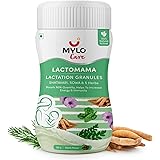
Mylo Lactomama Granules – Lactation Supplement for breastfeeding with Shatavari to Increase Breast Milk (Elaichi Flavour - 300 g ) | With Herbs like Moringa, Sowa & 5 Others | 2 Scoops per Serving (Pack of 1, Elaichi)
₹516.00 (as of 2 March 2026 04:08 GMT +00:00 - More infoProduct prices and availability are accurate as of the date/time indicated and are subject to change. Any price and availability information displayed on [relevant Amazon Site(s), as applicable] at the time of purchase will apply to the purchase of this product.)
Baidyanath Isabgol - Psyllium Husk Powder - 200gm | Effectively Relieves Constipation | Fibre Supplement For Digestion
₹255.00 (as of 2 March 2026 04:08 GMT +00:00 - More infoProduct prices and availability are accurate as of the date/time indicated and are subject to change. Any price and availability information displayed on [relevant Amazon Site(s), as applicable] at the time of purchase will apply to the purchase of this product.)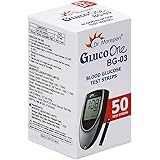
Dr. Morepen BG-03 Blood Glucose Test Strips, 50 Strips (Black/White)(Only Strips, No Glucometer)
₹597.00 (as of 2 March 2026 04:08 GMT +00:00 - More infoProduct prices and availability are accurate as of the date/time indicated and are subject to change. Any price and availability information displayed on [relevant Amazon Site(s), as applicable] at the time of purchase will apply to the purchase of this product.)
Friends Premium Adult Diaper M Size Pants | 30 Count (Medium) | Waist 25 – 48 inch |12 Hrs Protection | Leakproof | Quick & Even Absorption | Unisex| Wetness Indicator | Odour Lock | Superior Softness | Elastic Waist & Anti-Bacterial Absorbent Core
₹1,109.00 (as of 2 March 2026 04:08 GMT +00:00 - More infoProduct prices and availability are accurate as of the date/time indicated and are subject to change. Any price and availability information displayed on [relevant Amazon Site(s), as applicable] at the time of purchase will apply to the purchase of this product.)
 Audible Audiobook – Unabridged