The Mind-Body Connection: A Comprehensive Exploration of the Link Between Mental and Physical Health

Introduction

The mind-body connection has long been a subject of intrigue and exploration, intertwining the realms of psychology, medicine, and holistic health practices. This intricate relationship underscores the profound impact that our mental state can have on our physical well-being, and vice versa. In this comprehensive article, we will delve into various aspects of the mind-body connection, exploring the physiological and psychological interdependencies, the influence of stress on health, the manifestation of psychosomatic disorders, mind-body interventions, the placebo effect, the role of neurotransmitters, the impact of lifestyle choices, and the evolving landscape of holistic healthcare.

Unlocking Your Best Life: The Power of Micronutrients for Optimal Health

Unlocking Your Best Life: The Power of Micronutrients for Optimal Health

In the hustle and bustle of modern life, maintaining optimal health is more crucial than ever. While macronutrients like carbohydrates, proteins, and fats play a significant role in our diet, micronutrients often take a back seat in the spotlight. However, these tiny powerhouses are instrumental in supporting various physiological functions that contribute to overall well-being.

In this comprehensive guide, we’ll delve into the world of micronutrients and explore how they can be your secret weapon for unlocking your best life. From vitamins to minerals, we’ll uncover the impact of these essential nutrients on your physical and mental health.

The Essentials of Micronutrients

Micronutrients are crucial components that our bodies require in smaller quantities but are instrumental in maintaining overall health and well-being. Comprising vitamins and minerals, these elements play specific roles in various physiological processes, ensuring the proper functioning of the body.

Understanding Micronutrients:

Definition and Classification:

Micronutrients are substances the body needs in trace amounts for various physiological functions. They include vitamins and minerals, which are further categorized based on solubility.

  • Vitamins: These are organic compounds required in small amounts for normal metabolic processes. They are classified into fat-soluble (A, D, E, K) and water-soluble (B-complex, C) vitamins.

  • Minerals: Inorganic elements essential for bodily functions. They can be classified into macro minerals (needed in larger amounts) and trace minerals (required in smaller amounts).

Key Differences with Macronutrients:

While macronutrients (carbohydrates, proteins, and fats) are required in larger quantities to provide energy, micronutrients play a regulatory role in metabolism, growth, and other physiological processes.

  • Energy vs. Regulation: Macronutrients primarily provide energy, whereas micronutrients are involved in regulating and supporting various biochemical processes.

  • Quantities Needed: Macronutrients are needed in grams, while micronutrients are required in milligrams or micrograms.

The Importance of Vitamins:

Role in Maintaining Health:

Vitamins are essential for a multitude of bodily functions, and each plays a unique role in maintaining health.

  • Vitamin A: Crucial for vision, immune function, and skin health.

  • Vitamin D: Facilitates calcium absorption, supporting bone health.

  • Vitamin C: Acts as an antioxidant, boosts immune function, and aids in collagen formation.

  • B Vitamins: Support energy metabolism, nerve function, and red blood cell formation.

Common Vitamin Deficiencies and Effects:

Vitamin deficiencies can lead to a range of health issues, emphasizing the importance of maintaining adequate levels.

  • Vitamin D Deficiency: Linked to bone disorders and weakened immune function.

  • Vitamin C Deficiency (Scurvy): Causes fatigue, joint pain, and bleeding gums.

  • Vitamin B12 Deficiency: May result in anemia, neurological issues, and fatigue.

Harnessing the Power of Minerals:

Essential Minerals and Their Functions:

Minerals are critical for various bodily functions and are classified into macro and trace minerals.

  • Calcium: Essential for bone and teeth health, blood clotting, and muscle function.

  • Iron: Crucial for oxygen transport in the blood and preventing anemia.

  • Magnesium: Supports muscle and nerve function, blood glucose control, and bone health.

Contribution to Bone Health, Energy Production, and More:

Minerals play key roles in specific physiological processes that are vital for overall well-being.

  • Bone Health: Calcium, phosphorus, and magnesium are essential for maintaining strong and healthy bones.

  • Energy Production: Minerals like iron and phosphorus are involved in energy metabolism.

  • Nerve and Muscle Function: Sodium, potassium, and magnesium play crucial roles in nerve impulse transmission and muscle contractions.

Micronutrients and Physical Health

Supporting Immune Function:

Role of Vitamins in Immune System Support:

Vitamin C and D: Vitamins play a pivotal role in supporting and regulating the immune system. Vitamin C, known for its antioxidant properties, helps protect immune cells from damage and is involved in the production and function of white blood cells. Found abundantly in citrus fruits, strawberries, and bell peppers, incorporating vitamin C-rich foods into the diet is crucial for immune health.

Vitamin D, on the other hand, is known to modulate the immune system and enhance the body’s defense against infections. It is synthesized in the skin upon exposure to sunlight and can be obtained from fortified dairy products and fatty fish. A deficiency in vitamin D has been associated with increased susceptibility to infections and a compromised immune response.

Contribution of Minerals like Zinc:

Zinc and Immune Function: Minerals, particularly zinc, play a vital role in immune function. Zinc is involved in the development and function of immune cells and supports the body’s ability to fight off infections. Foods rich in zinc include meat, nuts, seeds, and legumes. Ensuring an adequate intake of zinc is essential for maintaining a robust immune system.

Boosting Energy Levels:

Micronutrients in Energy Metabolism:

B-Vitamins and Energy Production: Micronutrients are integral to the energy metabolism process, and B-vitamins, in particular, play a central role. Thiamine (B1), riboflavin (B2), niacin (B3), pantothenic acid (B5), pyridoxine (B6), biotin (B7), folate (B9), and cobalamin (B12) collectively contribute to the breakdown of carbohydrates, proteins, and fats into energy.

Consuming a diet rich in B-vitamins is crucial for maintaining optimal energy levels. Whole grains, lean meats, dairy products, and leafy greens are excellent sources of B-vitamins. These micronutrients help convert the food we eat into usable energy, supporting overall vitality and preventing fatigue.

Maintaining Cardiovascular Health:

Connection Between Micronutrients and Heart Health:

Role of Antioxidants: Micronutrients, especially antioxidants, play a crucial role in maintaining cardiovascular health. Antioxidants, such as vitamins C and E, help protect blood vessels from oxidative stress and inflammation, which are key contributors to cardiovascular diseases.

Omega-3 Fatty Acids: Omega-3 fatty acids, found in fatty fish like salmon, flaxseeds, and walnuts, have been extensively studied for their cardiovascular benefits. These essential fatty acids help reduce inflammation, lower blood pressure, and improve overall heart health.

Dietary Approaches for Cardiovascular Health:

A diet rich in fruits, vegetables, whole grains, and lean proteins provides a spectrum of micronutrients that support cardiovascular health. Potassium, magnesium, and calcium contribute to blood pressure regulation, while fiber from fruits and vegetables aids in cholesterol management.

Omega-3-Rich Foods: Incorporating omega-3-rich foods into the diet, such as fish and plant-based sources like chia seeds and flaxseeds, can contribute to a heart-healthy lifestyle.

Micronutrients and Mental Well-Being

Cognitive Function and Brain Health:

Impact of Micronutrients on Cognitive Function:

Micronutrients play a crucial role in cognitive function and overall brain health. The brain requires a variety of nutrients to function optimally, and deficiencies in certain micronutrients can impact cognitive abilities.

Vitamins and Cognitive Health: Vitamins, such as B-complex vitamins (B6, B9, B12), are essential for neurotransmitter synthesis, which influences memory, attention, and mood. Additionally, vitamin E, with its antioxidant properties, protects brain cells from oxidative stress.

Minerals and Brain Function: Minerals like iron, zinc, and magnesium are involved in maintaining neural pathways, neurotransmitter balance, and energy production within the brain. Iron, for example, is critical for oxygen transport to brain cells, supporting cognitive processes.

Role of Antioxidants in Protecting Brain Cells:

Antioxidants, found in various micronutrients, play a crucial role in protecting brain cells from oxidative damage. Oxidative stress is linked to age-related cognitive decline and neurodegenerative diseases. Micronutrients such as vitamins C and E, as well as minerals like selenium, act as antioxidants, neutralizing free radicals and supporting overall brain health.

Mood Regulation and Emotional Well-Being:

Micronutrients Influencing Neurotransmitters and Mood:

Serotonin and Micronutrients: Micronutrients are closely tied to mood regulation through their influence on neurotransmitters. For instance, serotonin, a neurotransmitter associated with mood and well-being, is influenced by nutrients like tryptophan, vitamin B6, and magnesium. These nutrients are essential for the synthesis and function of serotonin.

Foods Promoting Emotional Balance: Consuming a diet rich in micronutrient-dense foods can positively impact emotional well-being. Foods high in omega-3 fatty acids, such as fatty fish and flaxseeds, have been linked to lower rates of depression. Additionally, dark leafy greens, nuts, and seeds provide essential vitamins and minerals that contribute to emotional balance.

Combating Stress and Anxiety:

Connection Between Micronutrients and Stress Resilience:

Adaptogens and Stress Management: Certain micronutrients, often classified as adaptogens, help the body adapt to stress and promote resilience. These include B-vitamins, vitamin C, and magnesium. B-vitamins, in particular, are involved in the synthesis of stress hormones and neurotransmitters.

Dietary Strategies for Managing Anxiety: Dietary choices can significantly impact anxiety levels. Incorporating magnesium-rich foods like leafy greens, nuts, and whole grains can have a calming effect on the nervous system. Omega-3 fatty acids, found in fish and flaxseeds, have also been associated with reduced anxiety.

Balanced Diet for Mental Well-Being:

A well-balanced diet that includes a variety of fruits, vegetables, whole grains, lean proteins, and healthy fats provides the necessary micronutrients for mental well-being. Additionally, staying hydrated is crucial for optimal brain function.

Conclusion

In the pursuit of our best life, it’s crucial to recognize the vital role micronutrients play in maintaining optimal health. These tiny nutrients are the unsung heroes of our well-balanced lifestyle, contributing to immune system strength, energy levels, cognitive function, and emotional well-being. Incorporating a diverse and nutrient-rich diet, supplemented if necessary, allows us to harness the power of micronutrients.

By prioritizing our internal well-being, we pave the way to a healthier, happier, and more fulfilling life. Whether supporting our immune system’s defenses, fueling energy production, or influencing mood regulation, micronutrients are fundamental to our overall vitality. Remember, your journey towards your best life starts from within – with the nourishment and care you provide to your body and mind through the essential micronutrients that fuel your every day. Embracing the significance of these small yet mighty elements empowers us to lead a life of lasting well-being and resilience.

Unlocking the Path to Holistic Wellness: Nurturing Mind, Body, and Soul

Unlocking the Path to Holistic Wellness: Nurturing Mind, Body, and Soul

Definition of Holistic Wellness

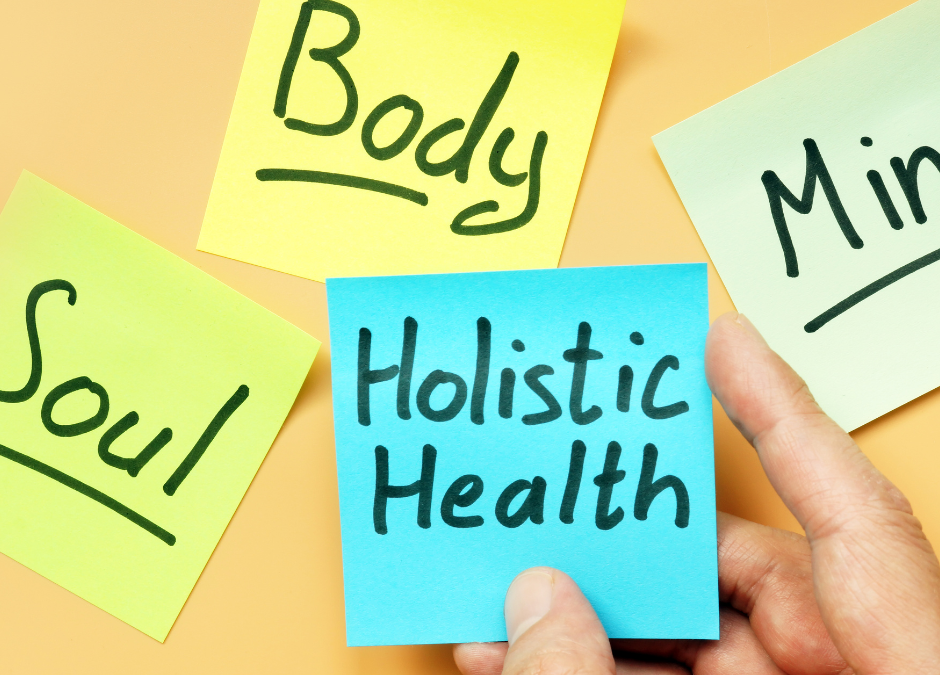
Holistic wellness is an all-encompassing approach to health that acknowledges the intricate interplay between the mind, body, and soul. It goes beyond the conventional concept of health, extending its focus to the overall well-being of an individual in various dimensions of life. At its core, holistic wellness emphasizes the integration of physical, mental, and spiritual aspects to achieve a harmonious and balanced state.

In the context of holistic wellness, the mind represents the mental and emotional facets of an individual, the body embodies physical well-being, and the soul encompasses the spiritual and deeper aspects of self. This holistic approach recognizes that these elements are interconnected and that true well-being can only be achieved by nurturing and aligning all three.

Importance of Integrating Mind, Body, and Soul

Mind: The mind is the seat of our thoughts, emotions, and consciousness. By cultivating a healthy mind through practices like mindfulness meditation and cognitive exercises, individuals can enhance mental clarity, reduce stress, and achieve emotional equilibrium. A sound mind forms the foundation for making positive choices and fostering resilience in the face of life’s challenges.

Body: Physical health is an integral part of holistic wellness. Proper nutrition, hydration, and regular exercise contribute to physical vitality, increased energy levels, and overall resilience. Taking care of the body not only prevents illness but also promotes a positive body image and boosts self-esteem.

Soul: The soul represents the spiritual and existential aspects of an individual. Nurturing the soul involves practices that go beyond the physical and mental realms, such as mind-body exercises and connecting with nature. This spiritual connection fosters a sense of purpose, inner peace, and a deeper understanding of one’s place in the world.

Historical Perspectives on Holistic Health

Holistic health, while often seen as a contemporary concept, has roots deeply embedded in the annals of history. The idea of holistic wellness, encompassing the interconnectedness of the mind, body, and soul, can be traced back to ancient civilizations and diverse cultural practices. In this exploration of historical perspectives on holistic health, we uncover the rich tapestry of knowledge and wisdom that has shaped our understanding of well-being through the ages.

Ancient Wisdom:

The origins of holistic health can be found in ancient civilizations where wellness was viewed as a holistic state involving not just the physical body but the entire being. In traditional Chinese medicine, dating back over 2,500 years, the concept of Qi (vital energy) and the balance of Yin and Yang principles underscored the interconnected nature of the body’s systems. Similarly, Ayurveda, the ancient healing system of India, emphasized the harmony of mind, body, and spirit through practices such as meditation, yoga, and herbal medicine.

Greek Philosophers and the Mind-Body Connection:

The ancient Greeks, particularly figures like Hippocrates, recognized the importance of the mind-body connection. Hippocrates, often regarded as the father of Western medicine, proclaimed, “It is more important to know what sort of person has a disease than to know what sort of disease a person has.” This perspective laid the groundwork for understanding that health is influenced not only by physical symptoms but also by an individual’s mental and emotional state.

Middle Ages and Holistic Healing:

In the Middle Ages, holistic healing practices were intertwined with spirituality. Monasteries served as centers of learning and healing, where monks practiced herbal medicine, prayer, and meditation. The belief in the interconnectedness of the body and soul persisted, and holistic approaches were often aligned with religious principles.

Renaissance and the Rise of Modern Medicine:

The Renaissance marked a period of significant scientific advancement, leading to the emergence of modern medicine. While this era saw great strides in understanding the human body’s mechanics, it also witnessed a division between the scientific and holistic approaches to health. The reductionist view of the body as a collection of separate parts gained prominence, overshadowing the holistic perspectives of earlier times.

20th Century Revival:

In the 20th century, there was a resurgence of interest in holistic health, driven in part by dissatisfaction with the limitations of conventional medicine. The counterculture movement of the 1960s and 1970s embraced alternative healing practices, and pioneers like Dr. Andrew Weil popularized the integration of traditional and complementary medicine. Holistic health regained momentum as people sought a more comprehensive approach to well-being.

Contemporary Holistic Health Practices:

In the 21st century, holistic health has become a mainstream concept, with an increasing number of individuals embracing a more integrative approach to wellness. The convergence of ancient wisdom, scientific research, and a growing awareness of the mind-body connection has led to the acceptance of holistic practices such as acupuncture, meditation, and nutritional therapy in mainstream healthcare.

Nourishing the Body: A Holistic Approach to Wellness

In the pursuit of holistic wellness, one cannot overstate the fundamental role that nourishing the body plays. The intricate connection between what we consume and our overall well-being is a cornerstone of a balanced and harmonious life. In this exploration, we delve into the importance of nutrition in holistic wellness, the principles of balanced diets and superfoods, and the benefits of hydration and clean eating.

Importance of Nutrition in Holistic Wellness:

Nutrition is the cornerstone of holistic wellness, as it directly influences the functioning of the mind, body, and soul. The food we consume serves as the fuel for our bodies, impacting everything from energy levels to mental clarity. Holistic wellness recognizes that a balanced diet not only supports physical health but also plays a crucial role in mental and emotional well-being.

1. Physical Health: A well-rounded and nutritious diet provides the essential vitamins, minerals, and nutrients that the body needs for optimal functioning. Nutrient-rich foods contribute to better immune function, improved cardiovascular health, and the prevention of chronic diseases. The body, when properly nourished, is better equipped to handle the stresses and challenges of daily life.

2. Mental Clarity and Emotional Well-Being: The connection between nutrition and mental health is increasingly evident. Certain nutrients, such as omega-3 fatty acids and antioxidants, play a role in cognitive function and mood regulation. A diet rich in fruits, vegetables, and whole grains has been associated with a lower risk of depression and anxiety, highlighting the integral link between what we eat and how we feel.

3. Energy Levels and Vitality: The right balance of carbohydrates, proteins, and fats in our diet directly impacts our energy levels. Foods that provide sustained energy, rather than quick spikes followed by crashes, contribute to overall vitality. Proper nutrition supports physical activity, ensuring that the body is adequately fueled for exercise and daily activities.

Exploring Balanced Diets and Superfoods:

A balanced diet is a key component of holistic wellness, emphasizing variety, moderation, and mindful eating. Incorporating a diverse range of nutrients from different food groups ensures that the body receives the necessary building blocks for optimal health. Additionally, the concept of superfoods has gained prominence, representing nutrient-dense foods that offer exceptional health benefits.

1. Balanced Diets: A balanced diet typically includes a variety of fruits, vegetables, whole grains, lean proteins, and healthy fats. Each food group contributes unique nutrients that collectively support different aspects of health. For example, fruits and vegetables provide vitamins and antioxidants, while whole grains offer fiber for digestive health.

2. Superfoods: Superfoods are nutrient-packed foods that are particularly rich in vitamins, minerals, and antioxidants. Examples include berries, leafy greens, nuts, seeds, and fatty fish. These foods go beyond basic nutrition, offering additional health-promoting properties. Berries, for instance, are known for their anti-inflammatory and antioxidant effects, contributing to overall well-being.

3. Mindful Eating: Holistic wellness extends beyond the types of food consumed to how we eat. Mindful eating involves paying attention to the sensory experience of eating, savoring each bite, and being attuned to hunger and fullness cues. This practice fosters a healthy relationship with food, promoting satisfaction and preventing overeating.

Benefits of Hydration and Clean Eating:

In addition to focusing on what we eat, holistic wellness emphasizes the importance of staying hydrated and embracing clean eating practices. These elements further contribute to the overall health of the body and mind.

1. Hydration: Adequate hydration is fundamental to holistic wellness. Water plays a crucial role in various bodily functions, including digestion, nutrient transport, and temperature regulation. Dehydration can lead to fatigue, headaches, and impaired cognitive function. Maintaining proper hydration levels supports overall vitality and ensures the body operates optimally.

2. Clean Eating: Clean eating involves choosing whole, minimally processed foods and avoiding highly processed and refined products. By prioritizing whole foods, individuals reduce their intake of additives, preservatives, and artificial ingredients. Clean eating supports digestive health, reduces the risk of chronic diseases, and provides a foundation for long-term well-being.

3. Gut Health: Holistic wellness recognizes the importance of gut health in the overall balance of the body. A clean and balanced diet promotes a diverse and thriving microbiome, which plays a vital role in digestion, nutrient absorption, and immune function. Probiotic-rich foods, such as yogurt and fermented vegetables, contribute to a healthy gut.

Cultivating Mental Well-being: A Holistic Approach to Mindful Living

In the fast-paced and often demanding landscape of modern life, nurturing mental well-being has become a paramount aspect of holistic health. The mind, as the epicenter of thoughts, emotions, and consciousness, plays a pivotal role in shaping our overall wellness. In this exploration, we delve into the transformative practices of mindfulness and meditation, effective stress management strategies, and the profound impact of positive thinking on cultivating robust mental well-being.

Mindfulness and Meditation Techniques:

1. Introduction to Mindfulness: Mindfulness is the practice of being fully present in the current moment, observing thoughts and feelings without judgment. It draws from ancient contemplative traditions and has gained widespread recognition for its ability to enhance mental clarity and reduce stress.

2. Mindfulness Meditation: Mindfulness meditation is a cornerstone practice for cultivating mental well-being. It involves intentionally directing attention to the present moment, often through focused breathing or body awareness. Regular mindfulness meditation has been linked to reduced anxiety, improved concentration, and increased emotional resilience.

3. Body Scan Meditation: This meditation involves systematically directing attention to different parts of the body, cultivating awareness of sensations without judgment. The body scan is effective for promoting relaxation, releasing tension, and fostering a deeper connection between the mind and body.

4. Loving-kindness Meditation: Also known as Metta meditation, this practice involves sending well-wishes and compassion to oneself and others. By cultivating a mindset of kindness and goodwill, individuals can enhance feelings of connection and reduce negative emotions.

5. Mindful Walking: Mindful walking is a moving meditation that encourages full attention to each step and the sensations of walking. It can be practiced outdoors or indoors and serves as a gentle way to integrate mindfulness into daily activities.

Stress Management Strategies:

1. Deep Breathing Exercises: Deep, diaphragmatic breathing is a simple yet powerful stress management technique. By focusing on slow and intentional breaths, individuals activate the body’s relaxation response, reducing the physiological and psychological impact of stress.

2. Progressive Muscle Relaxation (PMR): PMR involves systematically tensing and then relaxing different muscle groups. This technique helps release physical tension and promotes a sense of calm. Regular practice can contribute to overall stress reduction and improved sleep.

3. Time Management and Prioritization: Stress often arises from feeling overwhelmed by tasks and responsibilities. Effective time management and prioritization can help individuals break down tasks into manageable steps, reducing the perception of stress and increasing a sense of control.

4. Healthy Boundaries: Establishing and maintaining healthy boundaries is crucial for managing stress in interpersonal relationships. Learning to say no when necessary and setting realistic expectations can prevent the accumulation of undue stress.

5. Mindful Stress Awareness: Rather than avoiding stressors, mindful stress awareness involves acknowledging and understanding stress without becoming overwhelmed. This approach empowers individuals to respond to stress in a more thoughtful and measured way.

The Power of Positive Thinking:

1. Cultivating a Positive Mindset: Positive thinking is a mindset that focuses on the constructive and optimistic aspects of situations. Cultivating a positive mindset involves consciously choosing to approach challenges with a hopeful and solution-oriented outlook.

2. Affirmations: Affirmations are positive statements or phrases that individuals repeat to reinforce a positive belief or mindset. They can be a powerful tool for challenging negative thought patterns and fostering self-confidence.

3. Gratitude Practice: Regularly expressing gratitude for the positive aspects of life can shift the focus away from challenges and foster a sense of appreciation. Keeping a gratitude journal or reflecting on positive moments can be part of this practice.

4. Visualization Techniques: Visualization involves creating mental images of positive outcomes or desired situations. This technique helps individuals build a mental framework for success and can enhance confidence and motivation.

5. Optimism and Resilience: Optimism is the belief that positive outcomes are achievable, even in the face of challenges. Developing resilience, the ability to bounce back from adversity goes hand-in-hand with cultivating an optimistic mindset. Both contribute to mental well-being by fostering a sense of empowerment and hope.

Enhancing Physical Fitness: Tailoring Routines, Embracing Regular Exercise, and Integrating Movement into Daily Life

Physical fitness is not a one-size-fits-all endeavor; it’s a dynamic journey that varies based on individual lifestyles, preferences, and needs. In this exploration of enhancing physical fitness, we delve into the importance of tailored fitness routines, the significance of regular exercise, and strategies for seamlessly integrating movement into daily life.

Tailored Fitness Routines for Different Lifestyles:

1. Customization for Busy Professionals: For those immersed in demanding work schedules, time-efficient workouts are essential. High-intensity interval training (HIIT) or quick circuit workouts can provide a potent dose of exercise in a short time. Incorporating activities like brisk walks during breaks or opting for standing desks can also contribute to overall activity.

2. Home-Based Workouts for Stay-at-Home Parents: Balancing family responsibilities with personal fitness can be achieved through home-based workouts. Online platforms offer a plethora of guided exercises, from yoga to strength training, allowing stay-at-home parents to engage in physical activity without the need for a gym. Involving children in activities like family walks or dance sessions can make fitness a shared experience.

3. Outdoor Activities for Nature Enthusiasts: For those who find solace in nature, outdoor activities become a form of both exercise and rejuvenation. Hiking, cycling, or even outdoor yoga can blend the benefits of physical activity with the therapeutic effects of being in natural surroundings. This not only enhances fitness but also supports mental well-being.

4. Group Fitness for Social Butterflies: Individuals who thrive on social interactions may find group fitness classes to be both motivating and enjoyable. Whether it’s a dance class, cycling group, or team sport, the camaraderie of a group setting can boost accountability and make the fitness journey more engaging.

5. Adapting to Health Conditions: Tailoring fitness routines is crucial for individuals with specific health conditions. Low-impact exercises, aquatic workouts, or activities tailored to accommodate mobility challenges can provide the benefits of physical activity while addressing individual health needs.

Importance of Regular Exercise:

1. Physical Health Benefits: Regular exercise is fundamental to maintaining good physical health. It improves cardiovascular function, strengthens muscles and bones, and supports weight management. Engaging in a mix of aerobic, strength, and flexibility exercises ensures a comprehensive approach to physical well-being.

2. Mental Health and Cognitive Benefits: Exercise is a powerful tool for promoting mental health. It releases endorphins, the “feel-good” hormones, reducing symptoms of anxiety and depression. Regular physical activity has also been linked to improved cognitive function, including enhanced memory and focus.

3. Disease Prevention and Management: Regular exercise plays a crucial role in preventing chronic diseases such as heart disease, diabetes, and certain cancers. For those already managing health conditions, exercise can be an integral part of treatment plans, contributing to better disease management and improved quality of life.

4. Improved Sleep Quality: Physical activity has a positive impact on sleep quality. Establishing a regular exercise routine can help regulate sleep patterns, leading to more restful and rejuvenating sleep. Improved sleep, in turn, contributes to overall well-being and energy levels.

5. Boosting Immune Function: Moderate and consistent exercise has been shown to enhance immune function. While intense, prolonged exercise can temporarily suppress the immune system, regular moderate activity supports immune health, reducing the risk of illness.

Integrating Movement into Daily Life:

1. Active Commuting: Opting for active modes of commuting, such as walking or cycling, can seamlessly integrate movement into daily life. If feasible, incorporating short walks during lunch breaks or choosing stairs over elevators contributes to daily physical activity.

2. Desk Exercises: Desk-bound professionals can break up sedentary periods with simple desk exercises. Stretching, seated leg lifts, or brief walks around the office can prevent the negative effects of prolonged sitting and boost energy levels.

3. Household Chores as Exercise: Household chores offer an opportunity for physical activity. Vacuuming, gardening, or cleaning can elevate the heart rate and contribute to daily exercise goals. Turning routine tasks into active opportunities transforms daily life into a continuous fitness journey.

4. Incorporating Family Activities: For individuals with families, incorporating physical activity into shared activities is not only beneficial but also strengthens family bonds. Family hikes, bike rides, or even active games like tag or soccer in the backyard can make fitness a family affair.

5. Mindful Movement Practices: Mindful movement practices, such as tai chi or yoga, blend physical activity with mental well-being. These practices can be seamlessly integrated into daily routines, providing both a physical and mental respite from the demands of the day.

Embracing Emotional and Spiritual Health: Nurturing the Soul Within

In the tapestry of holistic well-being, emotional and spiritual health form essential threads, weaving together the intricate fabric of our overall vitality. This exploration delves into the transformative role of emotional intelligence, the significance of connecting with inner spirituality, and practical, soul-nourishing practices that contribute to emotional and spiritual well-being.

The Role of Emotional Intelligence:

1. Understanding Emotional Intelligence: Emotional intelligence (EI) is the ability to recognize, understand, and manage one’s own emotions, as well as the capacity to empathize with and influence the emotions of others. This skill set is pivotal in navigating the complexities of human relationships, fostering resilience, and promoting overall well-being.

2. Self-Awareness and Self-Regulation: Self-awareness, a cornerstone of emotional intelligence, involves recognizing and understanding one’s own emotions. This awareness enables individuals to navigate their emotional landscapes with greater ease. Paired with self-regulation, the ability to manage and channel emotions constructively, emotional intelligence empowers individuals to respond to situations in a thoughtful and composed manner.

3. Empathy and Social Skills: Empathy, the ability to understand and share the feelings of others, is a key aspect of emotional intelligence. It fosters meaningful connections and supports effective communication. Coupled with strong social skills, which include effective communication and conflict resolution, emotional intelligence contributes to the development of healthy and fulfilling relationships.

4. Motivation and Empowerment: Motivation, both intrinsic and extrinsic, is another dimension of emotional intelligence. It propels individuals toward their goals and aspirations. When coupled with a sense of empowerment, emotional intelligence becomes a dynamic force, driving individuals to overcome challenges, persevere in the face of adversity, and continuously strive for personal growth.

Connecting with Inner Spirituality:

1. Defining Inner Spirituality: Inner spirituality is a deeply personal and introspective connection with one’s inner self or a higher, transcendent reality. It transcends organized religious frameworks and taps into the essence of the human spirit. Cultivating inner spirituality involves exploring questions of purpose, meaning, and the interconnectedness of all life.

2. Mindfulness and Presence: Mindfulness, rooted in various contemplative traditions, is a gateway to inner spirituality. It involves being fully present in the current moment, allowing individuals to cultivate a deeper connection with their inner selves. Through practices such as meditation and mindful breathing, individuals can tap into a sense of inner calm and clarity.

3. Nature Connection: The natural world often serves as a conduit to inner spirituality. Spending time in nature, whether through walks in the park, hikes in the mountains, or moments of quiet contemplation by the sea, allows individuals to connect with something greater than themselves. This connection fosters a sense of awe, gratitude, and spiritual rejuvenation.

4. Creative Expression: Creative endeavors, whether through art, music, writing, or other forms of self-expression, provide a channel for connecting with inner spirituality. The act of creation can be a meditative process, offering a space for introspection, inspiration, and the exploration of deeper aspects of the self.

5. Sacred Rituals and Symbolism: Engaging in sacred rituals or incorporating symbolic elements into daily life can evoke a sense of the sacred and foster inner spirituality. This might involve rituals tied to personal beliefs, practices that honor the cycles of nature, or the use of symbols that hold personal significance.

Practices for Emotional and Spiritual Well-being:

1. Gratitude Journaling: Cultivating an attitude of gratitude is a powerful practice for emotional and spiritual well-being. Keeping a gratitude journal, where individuals regularly note things they are thankful for, shifts the focus toward positive aspects of life, fostering a sense of contentment and abundance.

2. Loving-kindness Meditation: Loving-kindness meditation, rooted in mindfulness and compassion, involves directing well-wishes and love towards oneself and others. This practice nurtures a sense of connection and empathy, contributing to emotional well-being and a deeper understanding of the interconnectedness of all beings.

3. Yoga and Breathwork: Yoga, beyond its physical postures, incorporates breathwork and meditation, making it a holistic practice for emotional and spiritual well-being. Through intentional breath control and mindful movement, individuals can create a harmonious balance between the body, mind, and spirit.

4. Silent Retreats: Periods of intentional silence, whether through silent retreats or personal solitude, provide a space for inner reflection and spiritual contemplation. In silence, individuals can listen more deeply to their inner selves and connect with a sense of inner peace.

5. Acts of Kindness: Engaging in acts of kindness, whether small or grand, has a profound impact on emotional well-being. Kindness not only benefits others but also generates positive emotions, contributing to a sense of purpose and interconnectedness.


Food for Thought: Nutritional Wisdom for Optimal Well-being

Food for Thought: Nutritional Wisdom for Optimal Well-being

In the fast-paced world we live in, where convenience often takes precedence over nutritional value, it’s crucial to take a step back and consider the profound impact our food choices have on our overall well-being. “Food for Thought” is not just a phrase; it’s a guiding principle for those seeking optimal health. Join us as we explore the nutritional wisdom that empowers us to make informed choices, nourish our bodies, and embark on a journey towards lasting well-being.

Introduction: The Intersection of Nutrition and Well-being

In the quest for a healthier and more fulfilling life, the role of nutrition cannot be overstated. “Food for Thought” goes beyond the plate, delving into the science of nutrition, the art of mindful eating, and the impact our choices have on our physical and mental health.

The Foundation of Nutritional Wisdom

1. Understanding Macronutrients and Micronutrients:

Embark on a journey through the essentials of nutrition. From carbohydrates and proteins to vitamins and minerals, grasp the fundamentals that form the building blocks of a balanced and nourishing diet.

2. The Power of Whole Foods:

Explore the benefits of embracing whole, unprocessed foods. We’ll delve into the nutritional richness of fruits, vegetables, whole grains, and lean proteins, emphasizing their role in promoting overall health and preventing chronic diseases.

Mindful Eating Practices

1. The Art of Mindful Eating:

Uncover the transformative power of mindful eating. From savoring each bite to recognizing hunger and fullness cues, we’ll explore how mindfulness can enhance our relationship with food and bring about a more conscious approach to nourishment.

2. Emotional Eating and Strategies for Success:

Address the connection between emotions and eating habits. Learn strategies to navigate emotional eating, building a healthier relationship with food that nurtures both the body and the mind.

Tailoring Nutrition to Individual Needs

1. Personalized Nutrition:

Recognize that one-size-fits-all approaches to nutrition may not be effective. Discover the concept of personalized nutrition and how understanding your unique dietary needs can optimize your overall well-being.

2. Specialized Diets:

Explore popular dietary trends and their potential benefits and drawbacks. From ketogenic and Mediterranean diets to plant-based lifestyles, gain insights into choosing a dietary approach that aligns with your health goals.

Navigating the Modern Food Landscape

1. Decoding Food Labels:

Navigate the often confusing world of food labels. Understand how to decipher nutritional information, ingredient lists, and marketing claims, empowering you to make informed choices at the grocery store.

2. Balancing Convenience and Nutrition:

Address the challenges of maintaining a nutritious diet in a world that values convenience. Discover practical tips for making health-conscious choices, even on the busiest of days.

Culinary Adventures: Nourishing Recipes for Body and Soul

1. Wholesome and Delicious Recipes:

Embark on culinary adventures with a collection of nourishing recipes. From breakfast ideas to satisfying dinners, explore dishes that not only taste delightful but also contribute to your overall well-being.

2. Cooking for Wellness:

Understand the therapeutic aspects of cooking. We’ll discuss how the act of preparing meals can be a form of self-care, fostering a deeper connection with the food we eat.

Conclusion: Savoring the Journey to Optimal Well-being

As we conclude our exploration of “Food for Thought,” let’s savor the knowledge gained and apply it to our daily lives. With nutritional wisdom as our guide, we can make choices that nurture our bodies, minds, and spirits. Together, let’s embrace the transformative power of food and embark on a journey towards optimal well-being.

The Power of Pause: Mindful Moments in a Hectic World

The Power of Pause: Mindful Moments in a Hectic World

In the hustle and bustle of our modern lives, where every moment is filled with tasks, responsibilities, and the constant buzz of technology, finding a moment to pause seems like a luxury. However, in this chaotic world, the power of pause, or mindful moments, is more crucial than ever. Join us on a journey as we explore the profound impact that taking intentional breaks can have on our mental, emotional, and physical well-being.

Introduction: The Fast-Paced Reality

In a world that never sleeps, where schedules are tight, and demands are high, it’s easy to feel overwhelmed and drained. The constant rush to keep up can leave us feeling disconnected from ourselves and those around us. This blog post aims to shed light on the importance of embracing mindful moments – those small pauses that allow us to catch our breath, refocus our energy, and find balance in the midst of chaos.

The Art of Mindful Pauses

1. Understanding Mindfulness:

Mindfulness is not just a trendy buzzword; it’s a powerful practice rooted in ancient wisdom. We’ll delve into the essence of mindfulness, exploring how it encourages us to be present in the moment, fostering a deeper connection with our thoughts, feelings, and surroundings.

2. Benefits of Mindful Pauses:

Uncover the numerous advantages of incorporating mindful pauses into your daily routine. From stress reduction and improved focus to enhanced emotional well-being, these pauses act as a reset button for our minds and bodies.

Mindful Moments in Daily Life

1. Mindful Breathing Exercises:

Explore simple yet effective breathing exercises that can be seamlessly integrated into your daily routine. Discover how conscious breathing can alleviate stress and promote a sense of calm.

2. Tech Detox:

In a world dominated by screens, learn the importance of taking breaks from technology. Discover the benefits of a digital detox and how it can rejuvenate your mind, enhance sleep quality, and foster authentic connections.

3. Nature Walks and Outdoor Reflection:

Step outside and embrace the healing power of nature. We’ll discuss the therapeutic effects of spending time outdoors, whether it’s a leisurely stroll in the park or a more immersive hiking experience.

Mindfulness at Work and Home

1. Mindful Work Practices:

Explore strategies for infusing mindfulness into your workday. From brief desk exercises to incorporating mindful meetings, discover how these practices can enhance productivity and job satisfaction.

2. Mindful Parenting:

For parents, finding moments of peace can be challenging. Uncover tips and techniques for integrating mindfulness into your parenting journey, fostering a harmonious relationship with your children.

Overcoming Challenges to Mindful Living

1. Common Misconceptions:

Address common misconceptions about mindfulness and provide clarity on how it can be adapted to suit different lifestyles and personalities.

2. Time Management:

Explore practical tips for integrating mindful pauses into busy schedules. Discover that it’s not about adding more to your to-do list but rather about shifting your mindset and priorities.

Conclusion: Embracing the Pause

In a world that glorifies constant productivity, the power of pause is a revolutionary act of self-care. By incorporating mindful moments into our lives, we reclaim control over our well-being and find joy in the simple, yet profound, moments of stillness.

As we conclude this exploration of the power of pause, let’s embark on a collective journey towards a more mindful and balanced existence. Embrace the pause, for within it lies the key to unlocking a more meaningful and fulfilling life.